

October is National Bullying Prevention Month. Bullying is no longer relegated to the playground or the neighborhood. It now regularly happens in the cyberworld. Kids don’t expect that and often don’t know how to handle it. In fact, according to StopBullying.gov, 52 percent of young people report being cyberbullied and over half of them don’t report it to their parents.
Everyone knows what bullying is — someone being taunted physically or mentally by others — and there are endless resources devoted to educating both students and teachers on how to combat bullying. But what about cyberbullying? Wikipedia defines “cyberbullying” as:
the use of information technology to repeatedly harm or harass other people in a deliberate manner
Cyberbullying occurs on not just social media like Twitter, Facebook, and topical forums, but multiplayer games and school discussion boards. Examples include mean texts or emails, insulting snapchats, rumors posted on social networking sites, and embarrassing photos or videos.

How serious is it?
The National Youth Violence Prevention Resource Center estimates that nearly 30 percent of American youth are either a bully or a target of bullying. 7% of high school students commit suicide, some because of cyberbullying:
On October 7, 2003, Ryan Halligan committed suicide by hanging himself [after being cyberbullied by high school classmates]. His body was found later by his older sister.
It gets worse every year as the Internet plays an increasingly dominant part in student lives at home and school. Exponentially worse. Because this crime is hidden in the vastness of the world wide web, the bully considers themselves anonymous, hiding behind their handles and fake profiles, making it difficult to find the guilty parties. As a result, too often, everyone thinks someone else is responsible for stopping it. Parents think they’re invading their child’s privacy by monitoring social media accounts and teachers think they don’t have enough time to monitor school-related virtual meeting places. What makes it even harder to identify and less likely to solve is that students often are reluctant to ask for help.

Effects of Cyberbullying
Kids who are cyberbullied are more likely to:
- use alcohol and drugs
- skip school
- experience in-person bullying
- be unwilling to attend school
- receive poor grades
- have lower self-esteem
- have more health problems
 What you can do
There are steps parents and teachers can take to prevent cyberbullying from starting. Discuss this topic with your child (or students) every year, starting as soon as they use multi-player games (often as young as second grade). You think they’re OK because you disabled the online access — think again. These clever digital natives take figuring out how to circumvent your protections as a challenge. Once the emotional damage is done, it’s difficult to undo.
Here are great resources to start or continue your discussions. Be sure to preview them to see if they suit your children or student group. Some are pretty sad:

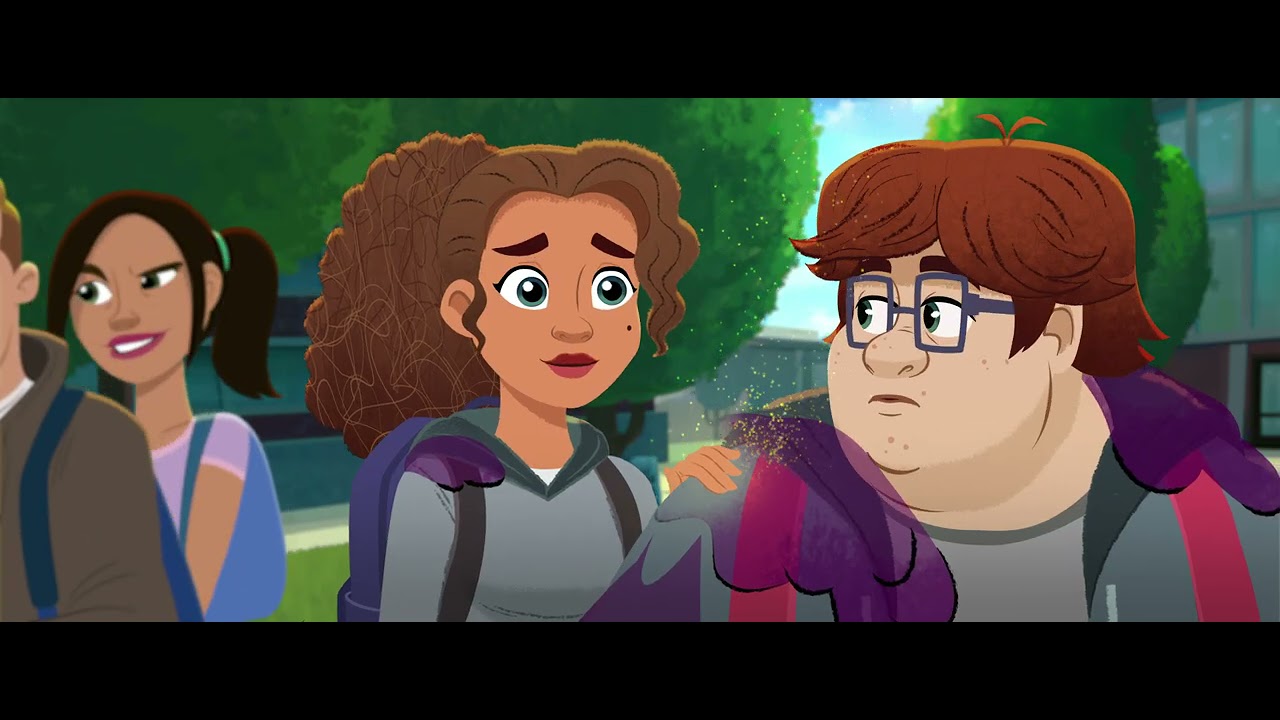
Are You OK
This animated short film project of the Barbara Sinatra Children’s Center Foundation was produced in collaboration with Wonder Media and the Joshua Center at the University of Washington. Directed by Ryan Cannon. “are you okay?” was named 2021 Best Animated Short at the Los Angeles One-Reeler Film Festival.
Over 12 million views
Stop Cyberbullying Before the Damage is Done | Trisha Prabhu | TEDxGateway
In her talk, Trisha Prabhu makes us think of the adverse effects of cyber bullying and how to prevent it. For as long as she can remember, Trisha Prabhu has been fascinated with the inner workings of the brain. In the fall of 2013, after hearing about a young girl’s suicide because of cyberbullying, she set out to design a long-term effective solution to stop cyberbullying. Her efforts resulted in ReThink, a product that gives adolescents trying to post offensive messages on social media a second chance to reconsider their decisions. Winning a spot as a Global Finalist at Google Science Fair 2014 and winner of PowerPitch 1871, Chicago’s technology and entrepreneurial hub, Trisha and Rethink has been covered by Business Insider, The International Business Times, The Huffington Post, and several other US and International media outlets. Trisha currently holds a provisional patent with the US Patent and Trademark Office for her ReThink product. Trisha is a 14 year-old high school freshman at Neuqua Valley High School in Naperville, IL, United States.

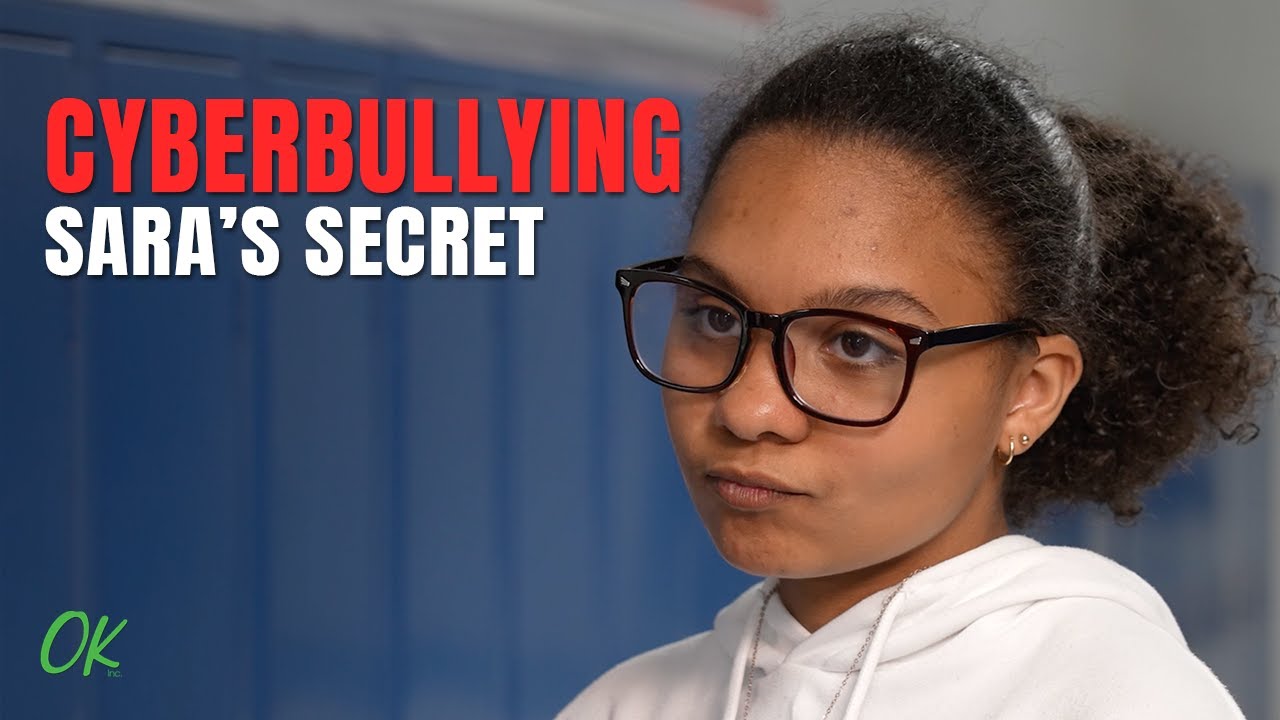
Cyberbullying – Sara’s Secret
When a student confides in a peer about running an anonymous school hate page, the friend must decide how to handle the secret. Tensions rise as the cyberbullying escalates, forcing characters to confront the real-life consequences of their online actions.

Free posters:


Here’s the sign-up link if the image above doesn’t work:
https://forms.aweber.com/form/07/1910174607.htm
“The content presented in this blog are the result of creative imagination and not intended for use, reproduction, or incorporation into any artificial intelligence training or machine learning systems without prior written consent from the author.”
Jacqui Murray has been teaching K-18 technology for 30 years. She is the editor/author of over a hundred tech ed resources including a K-12 technology curriculum, K-8 keyboard curriculum, K-8 Digital Citizenship curriculum. She is an adjunct professor in tech ed, Master Teacher, freelance journalist on tech ed topics, and author of the tech thrillers, To Hunt a Sub and Twenty-four Days. You can find her resources at Structured Learning.





Nice write up.
Thank you! This is such a horrid thing for kids.
When I worked with troubled adolescents, cyberbullying was a big cause of suicidal feelings and attempts.
It is an awful crime because kids feel helpless. There are things they can do, but mostly, everyone gets too emotional (probably I would too). Thanks, Dawn.
Soooo important and such a sad thing this even happens. xx