Surprisingly, 15-20% of the population has a language-based learning disability and over 65% of those are deficits in reading. Often, these go undiagnosed, written off as “s/he doesn’t like to read”. If this sounds familiar to you, maybe before you became a writer you struggled with adopting the love of reading, check out the International Dyslexia Association’s Dyslexia Awareness Month in October.
Dyslexia is a condition that affects people of all ages, male and female equally, and causes them to mix up letters and words they read making what for most is a joy-filled act challenging and frustrating.
“Dyslexia refers to a cluster of symptoms, that result in people having difficulties with specific language skills, particularly reading. Students with dyslexia often experience difficulties with both oral and written language skills. … It is referred to as a learning disability because dyslexia can make it very difficult for a student to succeed… ” — the International Dyslexia Foundation
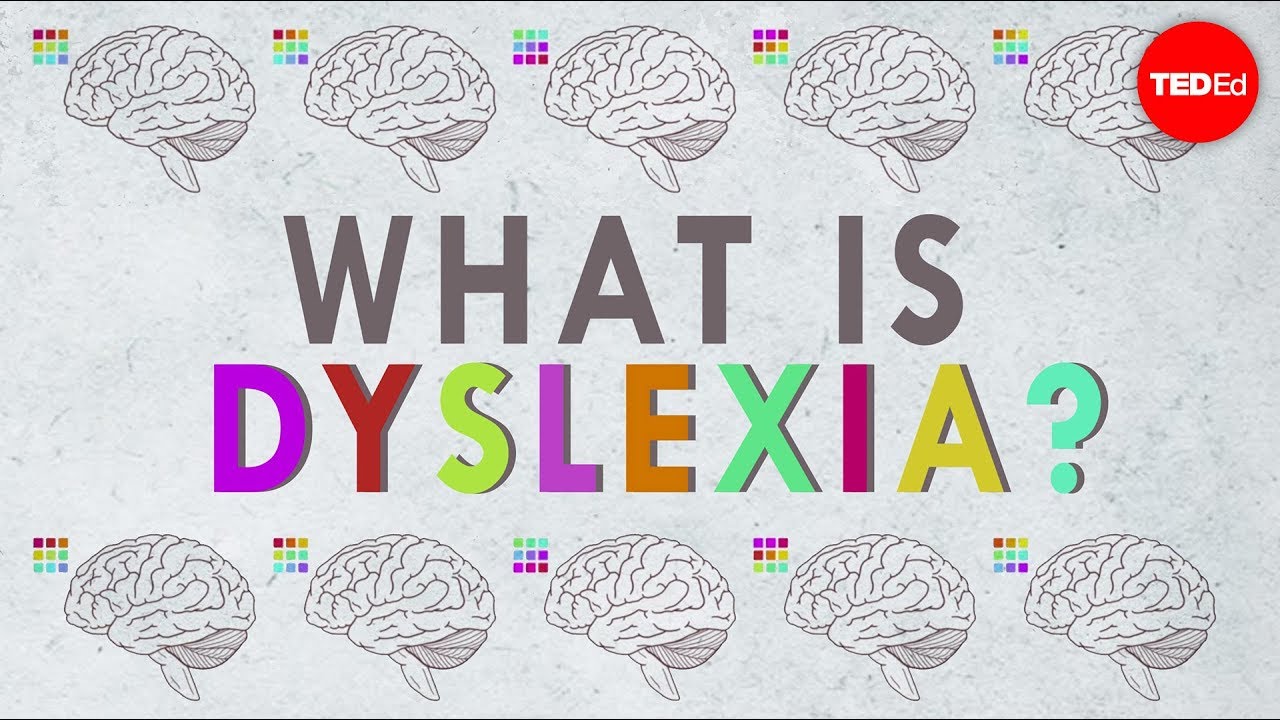
Here’s a video that quickly explains what dyslexia is:
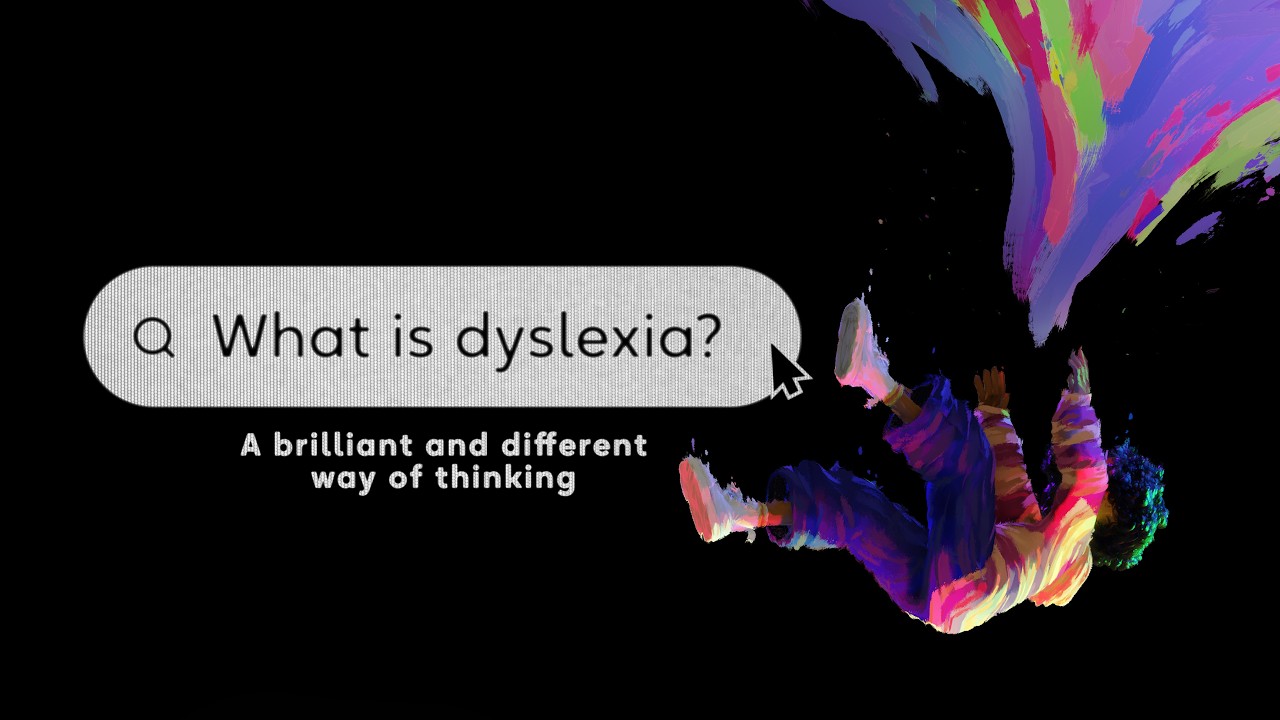
Or this video–become very popular very quickly because it speaks to children with this disability:
There is no cure for dyslexia. Individuals with this condition must instead develop coping strategies that help them work around their condition. In education, it is not uncommon to accommodate dyslexic students with special devices, additional time, varied format approaches (such as audio or video), and others. Most prominent educational testing centers (like SAT, ACT, PARC, and SBACC) make these available for most of their tests.

For individual needs such as casual reading, personal research, or anything else that requires significant amounts of reading, there is help. The IDA recommends accommodations such as:
- variable work and test-taking settings (such as small groups, reduced distractions, and alternative furniture arrangements)
- assistive technology (such as a calculator, text-to-speech tools, and electronic dictionaries)

Here are some of the most popular online websites, downloadable tools, and hardware that many find useful in countering the effects of dyslexia on reading:
- Beeline Reader– helps guide your eyes from the end of one line of text to the beginning of the next using a colored gradient.
- Go Nessy–learning resources for students, including special needs like Dyslexia
- HumanWare–various writing/reading tools for the blind
- JAWS
- Learning Ally–for struggling readers
- Natural reader–paste text into the dialogue box and the site reads it to you
- NotebookLM–AI as research partner (fee-based)
- Open Dyslexic–(extension) open source font that improves readability for students with Dyslexia; changes font on pages (no download)
- Read & Write–(extension) reads passages aloud; text-to-speech; include a dictionary; create voice notes; simplify and summarize text; free for teachers (maybe students)
- SchoolAI–use AI to connect schools, teachers, students
- Snap n Read–select text and click speaker icon on the toolbar
- Snorkl–instant feedback on student work
- Symbaloo of dyslexia tools
If you have dyslexia, there are tools that will facilitate reading and learning. Check out these I’ve mentioned but also do a browser search to see what else is available for your specific condition. And you might enjoy this quick video about other amazing people who had dyslexia and didn’t let it hold them back (made in Britain so weighted toward Brits–no problem with that):

If you have a favorite that works well in your classroom, please add it in the comment section of this post to share with others.


Here’s the sign-up link if the image above doesn’t work:
https://forms.aweber.com/form/07/1910174607.htm
“The content presented in this blog are the result of creative imagination and not intended for use, reproduction, or incorporation into any artificial intelligence training or machine learning systems without prior written consent from the author.”
Jacqui Murray has been teaching K-18 technology for 30 years. She is the editor/author of over a hundred tech ed resources including a K-12 technology curriculum, K-8 keyboard curriculum, K-8 Digital Citizenship curriculum. She is an adjunct professor in tech ed, Master Teacher, freelance journalist on tech ed topics, and author of the tech thrillers, To Hunt a Sub and Twenty-four Days. You can find her resources at Structured Learning.