Year: 2026

USA Moon Landing July 20 1969

On July 20, 1969, Neil Armstrong was the first man to place foot on the moon. Commemorate that this year with an exciting collection of websites and apps that take your students to the Moon (click for updates to the list):
- Apollo 11: Countdown to Launch via Google Earth
- Google Moon–see the Moon in 3D with your Google Earth app
- How we are going to the Moon–video
- If the Moon Were Only One Pixel…
- JFK Challenge — takes kids to the Apollo 11
- NASA’s Musical Playlist–88 million viewers of 188 songs
- Moon Phase Simulation Viewed from Earth and Space (interactive, elementary and middle school)—and associated Lesson Plan
- Observing the Moon in the Sky (interactive, elementary)
- Moonrise to Moonset (media gallery, elementary)


Best Scratch Coding Classes for Kids: A Teacher’s Guide to the Top Programs
One enduring favorite in K-12 classes is coding. Why? For educators, it’s because learning to code teaches essential problem-solving, logical thinking, and computational skills that are difficult to learn in any other class. For students, it’s often the game approach to the lessons as they learn to stretch their brains. The coding program accepted by many as the most student-friendly is Scratch. The Ask a Tech Teacher team has a list of great choices for how to teach students Scratch in creative, fresh ways:
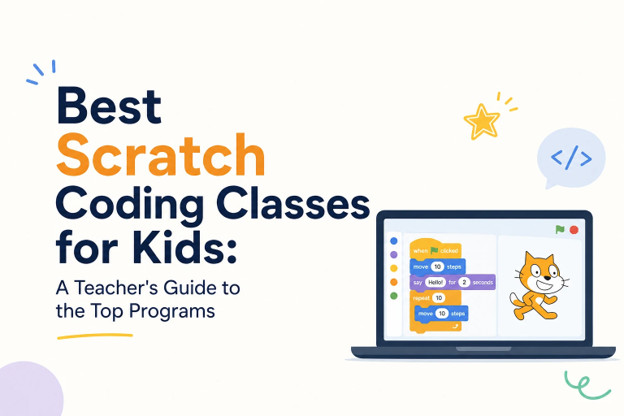
Best Scratch Coding Classes for Kids: A Teacher’s Guide to the Top Programs
Scratch has become the standard entry point for teaching kids to code, and it’s easy to see why. Developed by MIT, this block-based programming language lets students build games, animations, and interactive stories without getting tripped up by syntax errors. For classroom teachers, tech coordinators, and homeschool parents alike, it’s often the first real introduction students get to computational thinking.
The challenge isn’t whether to teach Scratch — it’s figuring out which program actually delivers a structured, age-appropriate learning experience. Between live instruction, self-paced platforms, and free tools, the options can be overwhelming. Below, we’ve compared the leading Scratch coding programs for kids based on curriculum quality, instructional format, and outcomes, so you can make an informed choice for your students or your own children. (more…)

How to Choose (and Test) Tutoring Software Before You Buy

How to Choose (and Test) Tutoring Software Before You Buy
Education tutoring offers personalized learning, helping students progress at their own pace and address performance gaps. However, the right technology is essential to deliver that support efficiently. Before committing to a platform, educators should focus on several key factors to ensure the long-term success of their tutoring program. (more…)

ISTE–Here’s how this hugely popular education conference went

- Take-aways
- Pros
- Cons
- Seminars

Take-aways

Teacher-Authors: What’s Happening on my Writer’s Blog

A lot of teacher-authors read both my Ask a Tech Teacher education blog and my writer’s blog, WordDreams blog. In this monthly column, I share a popular post from the past month:

Perception is greater than reality. Give the impression to anyone paying attention that you are intellectual, even before you’re old enough to be one, and it becomes their reality about you. How do you do this if all you’ve got is a brief conversation?
Read the classics. I don’t mean Euripides or Voltaire, well, not only them. I mean the books that people quote, talk about, bring up in educated conversations and assume you have read. Here’s a starter list, compiled by teacher’s across the country: (more…)

Tech Ed Resources–K-8 Keyboard Curriculum
I get a lot of questions from readers about what tech ed resources I use in my classroom. I take time every summer to review them with you. Some are edited and/or written by members of the Ask a Tech Teacher crew. Others, by tech teachers who work with the same publisher I do. All of them, I’ve found, are well-suited to the task of scaling and differentiating tech skills for age groups, scaffolding learning year-to-year, offering inclusive solutions to the issue of tech tools–taking into account the perspectives of stakeholders, with appropriate metrics to ensure learning is organic and granular.
Keyboarding
In recent years, there has been a noticeable resurgence in teaching K-8 keyboarding skills. This revival stems from the widespread adoption of 1:1 devices—accelerated by the COVID-19 pandemic—and the shift toward writing tasks that demand efficient typing.

Many districts, such as Orange County Public Schools in Florida, have renewed focus on touch-typing instruction because students raised on smartphones often default to inefficient thumb typing. This slows them down on full keyboards during tests and assignments. Leaders at that District note that students and teachers enjoy the practice and view strong keyboarding as essential for classwork, tests, and future jobs.

Progressive curricula integrate short, consistent practice sessions starting as early as kindergarten, sometimes through engaging games, apps, or dedicated software rather than isolated classes. While debates persist, the consensus is growing that explicit keyboarding instruction remains a foundational digital literacy skill in an increasingly screen-based learning environment.

Overview
K-8 Keyboard Curriculum (four options)–teacher handbook, student workbooks, and help for homeschoolers
2-Volume Ultimate Guide to Keyboarding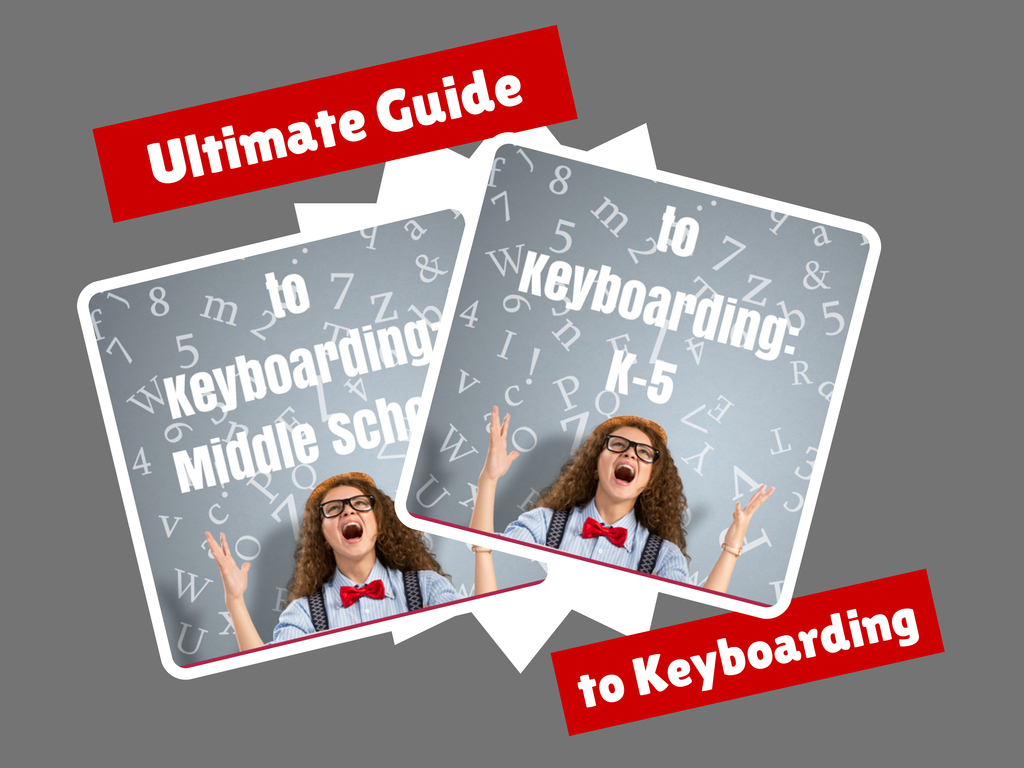
K-5 (237 pages) and Middle School (80 pages), 100 images, 7 assessments
K-5–print/digital; Middle School–digital delivery only
Aligned with Student workbooks
Delivered print or digital
Student workbooks sold separately
__________________________________________________________________________
1-Volume Essential Guide to K-8 Keyboarding
120 pages, dozens of images, 6 assessments
Delivered print or digital
Doesn’t include student workbooks

What You Might Have Missed in June–What’s up in July

Here are the most-read posts last month:
- June is Internet Safety Month
- A Teacher’s Guide to Managing Creative Projects Without Burnout
- World Environment Day: Living Responsibly with Nature
- Best Online Korean Teacher Platforms for Speaking, Grammar, and TOPIK Practice
- Tech Tips to End the School Year
- What’s Trending on Ask a Tech Teacher
- How To Know If Your Laptop Camera Is Spying On You?
- 5 Essential Resources for IELTS Preparation
- Books You’ll Want to Read This Summer
- Tech Ed Resources–K-12 Tech Curriculum

Here’s a preview of what’s coming up: (more…)

We Honor July 4th in America

Like every year, I exuberantly celebrate America’s birthday. I’d say times are tough here in the US, but that seems to be true everywhere in the world. So, I won’t complain. I will enjoy the love of America as all of my international friends love their homeland.
[youtube https://www.youtube.com/watch?v=Ke4gRMowvQg]
How Technology Is Transforming Language Learning for Students and Adults

How Technology Is Transforming Language Learning for Students and Adults

Learning a new language has always required time, consistency, and exposure to real communication. What has changed dramatically over the past decade is the way learners access these opportunities. Technology has transformed language education from a classroom-based experience into a flexible, personalized process that can happen almost anywhere.
Today, students can practice vocabulary on mobile devices, attend live lessons from home, interact with native speakers across continents, and receive immediate feedback through digital platforms. These developments have expanded access to language education for learners of all ages while creating new opportunities for teachers and educational institutions.
As technology continues to evolve, language learning offers an interesting example of how digital tools can enhance education without replacing the human elements that remain essential for long-term success. (more…)

Subscriber Special: Free Hour of Code Bundle

Every month, subscribers to our newsletter get a free/discounted resource to help their tech teaching.
July 2-5th
Buy the K-8 curriculum; get the 59-page Hour of Code bundle for FREE
Perfect if you’re doing Hour of Code to teach coding, programming, and problem solving to your K8 students. Here’s what you do: (more…)