Tag: ed big ideas

Should You Unschool?

The first time I read about Unschooling, I ignored it. Surely, it was a fad that would go away. When I read about it a thousand more times, I dug into it.
Inspired by the teachings of John Holt (1923–1985), this free range branch of homeschooling promotes learning through nonstructured, child-led exploration. There’s no set curriculum or schedule; students learn what interests them with guidance from involved adults. There are no worksheets, tests, or structure to provide evidence of learning or templates for teaching. The children pick what to learn, when, at what pace. The result — according to unschoolers, is a love of learning, tenacity to a task, and independent thought that prepares them for college and career better than traditional methods. In fact, if you look at the list of traits valued in popular education programs such as Habits of Mind and Depth of Knowledge, the reasons why parents unschool their children mirror the traits included in these lists.
What is Unschooling?
According to Dr. Peter Gray of Freedom to Learn:
“Unschooling parents do not … do at home the kinds of things that are done at school. More specifically, they do not establish a curriculum for their children, do not require their children to do particular assignments for the purpose of education, and do not test their children to measure progress. Instead, they allow their children freedom to pursue their own interests and to learn, in their own ways, what they need to know to follow those interests. They may, in various ways, provide an environmental context and environmental support for the child’s learning. In general, unschoolers see life and learning as one.”
If you use Genius Hour in your classroom, you have a sense of how inspiring, motivating, and addicting learning for the love of learning can be. Another popular example of unschooling is Sugata Mitra’s 1999 Hole in the Wall experiment where a computer was placed in a kiosk in an Indian slum. Children were allowed to use it freely. The experiment successfully proved that children could learn to use computers without any formal training. This was extended to be a method called Minimally Invasive Education (MIE) where students were encouraged to learn what interests them without adult direction — much as what is expected from unschooling.


Implementing Mindfulness Practices in Schools
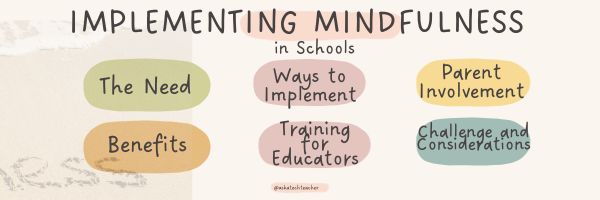
Implementing Mindfulness Practices in Schools
In recent years, mindfulness has gained significant traction, not just in adults’ lives but also in educational settings. Incorporating mindfulness practices in schools has proven beneficial for students’ well-being, emotional regulation, and academic success. Let’s explore why and how mindfulness practices are making their way into classrooms worldwide.
The Need for Mindfulness in Schools
Modern education often heavily emphasises academic achievement, leaving students stressed, anxious, and overwhelmed. In such a high-pressure environment, the need for mindfulness practices becomes apparent. These practices help students manage stress, develop emotional resilience, and foster a positive attitude towards learning. Another great way to alleviate some academic stress is outsourcing some of your assignments to trustmypaper.com. This provider will complete your essays with ease, allowing you to allocate some time to mindfulness practices.
Benefits of Mindfulness Practices
1. Improved Concentration
Mindfulness exercises, such as meditation and deep breathing, can enhance students’ ability to focus. These practices train the mind to stay present, reducing distractions and improving concentration levels, ultimately benefiting academic performance.
2. Stress Reduction
One of the primary benefits of mindfulness is stress reduction. Students face various stressors, from exams to social pressures. Mindfulness techniques offer tools to manage stress, promoting a calmer and more conducive learning environment.
3. Emotional Regulation
Mindfulness teaches students how to recognize and manage their emotions effectively. By understanding their feelings and reactions, students can develop healthier relationships with peers and teachers, leading to improved behavior and cooperation.
4. Enhanced Self-Awareness
Through mindfulness, students gain a better understanding of themselves. This self-awareness helps them identify their strengths and weaknesses, facilitating personal growth and self-improvement.
5. Increased Empathy
Mindfulness practices encourage empathy and compassion. Students learn to appreciate the feelings and experiences of others, leading to more respectful and inclusive interactions in the classroom. (more…)

Use the SAMR Model to Energize Class Tech
 This is a question I get often from teachers: Technology is always an extra layer of work in my classroom. How can I blend it into what I already do without taking time I don’t have? When I first addressed this issue fifteen years ago, it was all about replacing traditional classroom tools with one on a computer. For example, book reports were typed on the computer instead of handwritten, or math facts were practiced with a math game instead of flash cards. But that quickly became cumbersome. Teachers didn’t know how to use the digital tools and there was never enough training to untip that balance. At the end of the day, paper-and-pencil was easier, faster, and perfectly understood. Soon, even the most stalwart tech-infused teachers discovered it was just as effective to use traditional tools and pull out the tech stuff for special occasions.
What happened? How did such a good idea go so wrong? The problem was four-fold:
- students didn’t have the technology foundation to smoothly incorporate digital tools into projects. Too often, the effort to provide evidence of learning suffered as students (and teachers) became mired in efforts to get the technology to work. Where is the tool? How do you do **? Why is the program not working?
- teachers didn’t have training in the tools. Even schools that made herculean efforts to train teachers in technology found themselves flailing. Even teachers who understood the tool would struggle with the inadequate infrastructure, the undependability of the technology itself, and the non-intuitive nature of so many of the programs they wanted to use. As a result, they used tools they understood rather than those best-suited for the project and learning.
- projects always–really, always–took longer using technology than the traditional low-tech approach.
- school infrastructure often struggled to support the exciting plans that tech-savvy teachers wanted to try. Computers froze or the network became over-burdened or the internet went down just as students required them the most. The money required to fix these problems was measured in the thousands of dollars–tens of thousands. Too many schools just didn’t have that budget.

Teach Vocabulary with the Frayer Model
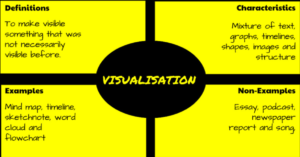 In a perfect world, vocabulary is learned in context: The phrases and sentences around the unknown word define the meaning. If that isn’t sufficient, students use affixes — prefixes, suffixes, and roots — to decode meaning. But because the world isn’t always that pristine, Dorothy Frayer and her colleagues at the University of West Virginia came up with a vocabulary teaching tool that has come to be known as “the Frayer Model”. Now used by thousands of educators, this approach to word study relies on analyzing words rather than memorizing definitions. Somewhat like Concept Circles, the Frayer Model uses a graphical organizer that asks students to describe words by much more than a memorized definition. They must:
- define the term
- describe essential characteristics
- provide examples
- provide non-examples
Because the Frayer Model digs deeply into understanding the word, it promotes critical thinking and a granular familiarity with unfamiliar vocabulary. It draws on a student’s prior knowledge to build connections among new concepts and creates a visual reference by which students learn to compare attributes and examples.

Should You Unschool?

The first time I read about Unschooling, I ignored it. Surely, it was a fad that would go away.
When I read about it a thousand more times, I dug into it.
Inspired by the teachings of John Holt (1923–1985), this free range branch of homeschooling promotes learning through nonstructured, child-led exploration. There’s no set curriculum or schedule; students learn what interests them with guidance from involved adults. There are no worksheets, tests, or structure to provide evidence of learning or templates for teaching. The children pick what to learn, when, at what pace. The result — according to unschoolers, is a love of learning, tenacity to a task, and independent thought that prepares them for college and career better than traditional methods. In fact, if you look at the list of traits valued in popular education programs such as Habits of Mind and Depth of Knowledge, the reasons why parents unschool their children mirror the traits included in these lists.
What is it
According to Dr. Peter Gray of Freedom to Learn:
“Unschooling parents do not … do at home the kinds of things that are done at school. More specifically, they do not establish a curriculum for their children, do not require their children to do particular assignments for the purpose of education, and do not test their children to measure progress. Instead, they allow their children freedom to pursue their own interests and to learn, in their own ways, what they need to know to follow those interests. They may, in various ways, provide an environmental context and environmental support for the child’s learning. In general, unschoolers see life and learning as one.”
If you use Genius Hour in your classroom, you have a sense of how inspiring, motivating, and addicting learning for the love of learning can be. Another popular example of unschooling is Sugata Mitra’s 1999 Hole in the Wall experiment where a computer was placed in a kiosk in an Indian slum. Children were allowed to use it freely. The experiment successfully proved that children could learn to use computers without any formal training. This was extended to be a method called Minimally Invasive Education (MIE) where students were encouraged to learn what interests them without adult direction — much as what is expected from unschooling.

Incorporate Mindfulness into Your Class
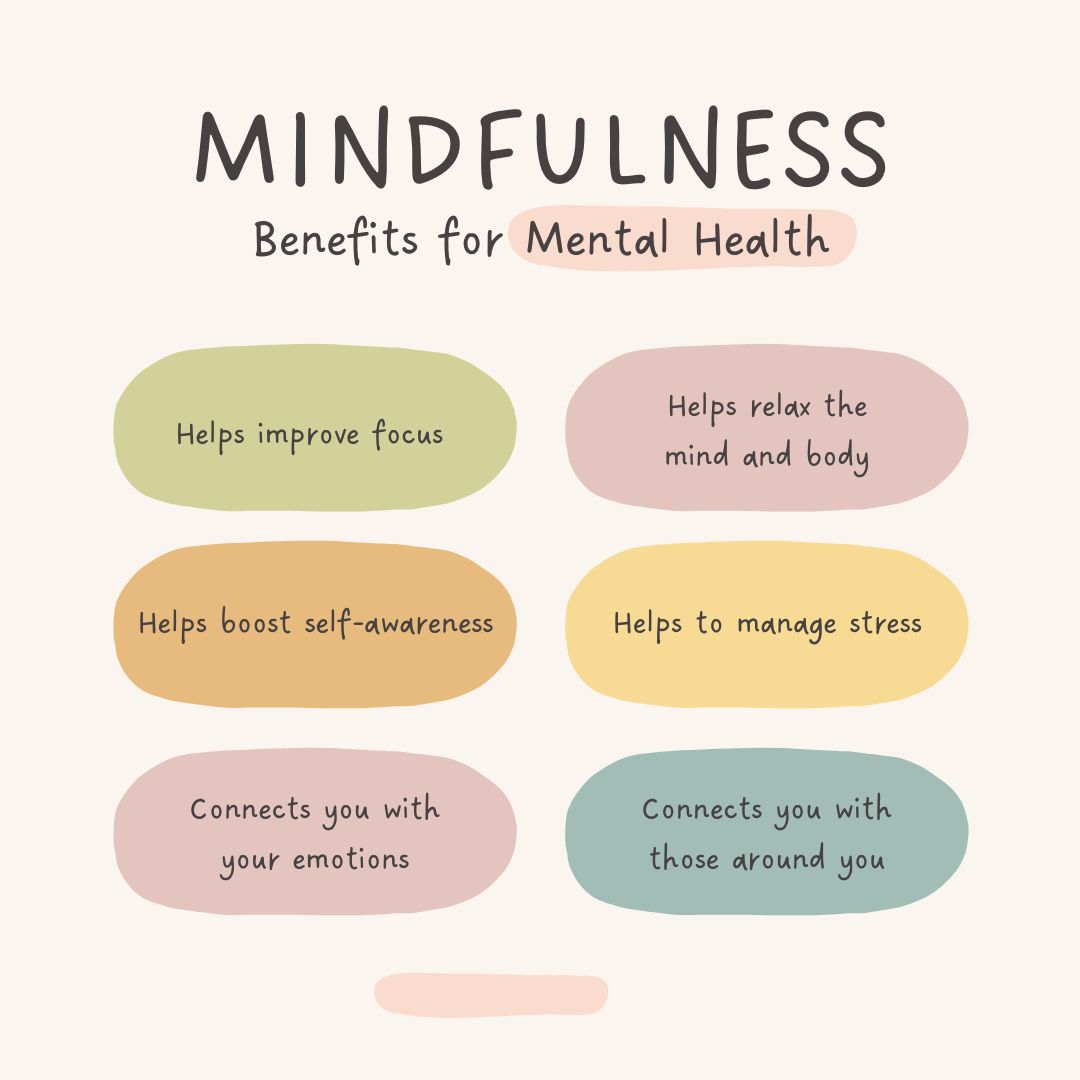 Students learn best when they are relaxed, happy, and feeling loved. It is challenging to include those characteristics in classes when you are concurrently trying to achieve school goals, comply with curriculum timelines, juggle parent concerns, and blend your lessons with those of colleagues.
This is where mindfulness becomes important. It reminds teachers that the fulcrum for learning is the student’s emotional well-being.
Let’s back up a moment: What is mindfulness? Buddha once said:
“Do not dwell in the past, do not dream of the future, concentrate the mind on the present moment.”
If that’s the plan, mindfulness is the path. It teaches students how to quiet themselves — get to a place where their mind is settled sufficiently to pay full attention to the task at hand. Experts offer many suggestions for incorporating mindfulness into your classroom experience. Consider:
- pause and take a deep breath before beginning an activity
- reflect on an activity as a group
- reflect on the student’s experience and background and how that relates to the topic
Here are five ideas on how to incorporate mindfulness into your classes:

Mindfulness–its place in the classroom
Teaching Channel is one of my favorite hands-on resources for how to teach. They offer lots of videos from the classroom, showing teachers at work, but also well thought out discussions on topics that impact education. This one is on mindfulness. I hope you enjoy it:

Mindfulness to Calm, Focus, & Learn
By Alexa Simon on May 5, 2022.
Mindfulness is a health and well-being practice utilized by families from around the world. Maybe you’ve dabbled in mindful activities such as yoga or meditation, or mindfulness may still seem somewhat of a mystery! Either way, let’s drive into what it means to be mindful, including ways to use mindfulness in your classroom (in the midst of chaos). Mindfulness benefits everyone!
What is Mindfulness?
Mindfulness is the act of being mindful. Stating the obvious, mindfulness is allowing one’s thoughts to slow, and using the breath to cultivate self-awareness. Being mindful provides your body the space to calm and be present, allowing you to melt away stress and focus on what matters. The end result from this focus is to feel joy and contentment: a lovely place to be.
We’ve written a lot about this topic on Ask a Tech Teacher. Check out these articles if you’re looking for more:
- Does Mindfulness Make Your Class Better?
- How to Incorporate Mindfulness into Your Class
- How to Put Kindness in Your Classes
Jacqui Murray has been teaching K-18 technology for 30 years. She is the editor/author of over a hundred tech ed resources including a K-12 technology curriculum, K-8 keyboard curriculum, K-8 Digital Citizenship curriculum. She is an adjunct professor in tech ed, Master Teacher, webmaster for four blogs, an Amazon Vine Voice, freelance journalist on tech ed topics, and author of the tech thrillers, To Hunt a Sub and Twenty-four Days. You can find her resources at Structured Learning.

Does Mindfulness Make Your Class Better?
District Administration recently published an interesting article on how mindfulness creates kinder classrooms and reduces problematic behaviors by 18%. Click the link and check out their thoughts.
If you’d like background on Mindfulness, check our article published earlier on
How to Incorporate Mindfulness into Your Class
Students learn best when they are relaxed, happy, and feeling loved. It is challenging to include those characteristics in classes when you are concurrently trying to achieve school goals, comply with curriculum timelines, juggle parent concerns, and blend your lessons with those of colleagues.
This is where mindfulness becomes important. It reminds teachers that the fulcrum for learning is the student’s emotional well-being.
Let’s back up a moment: What is mindfulness? Buddha said:
“Do not dwell in the past, do not dream of the future, concentrate the mind on the present moment.”
If that’s the plan, mindfulness is the path. It teaches students how to quiet themselves — get to a place where their mind is settled sufficiently to pay full attention to the task at hand. Experts offer many suggestions for incorporating mindfulness into your classroom experience. Consider:
- pause and take a deep breath before beginning an activity or in the middle of performing it
- reflect on an activity as a group
- reflect on the student’s own experiences and background and how that relates to the topic
Delving into these rudimentary steps isn’t the goal of this article. Today, I’ll share five ideas on taking mindfulness to the next level in your classes:

How to Build Lifelong Learners
If there is a trait above all others that I want to imbue into my students, it is curiosity. Let that include a passion to understand, connect the dots, and answer questions like, “Why?” The first step toward reaching that goal would be opening their minds to fascinating bits and pieces of knowledge, be they about computer games or nature. That Wow feeling is addictive, as is the high of connecting the dots, solving a puzzle, and unraveling the mysteries of life itself.
 I respect the job done by education programs around the world, but six to eight hours a day five days a week can only go so far. Teachers get tangled in a web of standards, mission statements, and assessments, and spend too much time on what their institution considers essential. While this is a good starting point, it has to often become an endpoint, something it was never intended to be. John Dewey, one of the most influential voices in American education in the early 1900’s, once said:
Education is not preparation for life. Education is life.
What does that mean? Decades earlier than Dewey spoke those words, John Adams defined them:
“You will ever remember that all the End of study is to make you a good Man and a useful Citizen.”
Renowned linguist, philosopher, historian, and scientist, Noam Chomsky says it this way:
“Education is really aimed at helping students get to the point where they can learn on their own. . . ”
Rephrased, this defines education as not about academic success, learning the 3Rs or graduating top in the class. The goal is bigger, more far-reaching, and more difficult to achieve. It’s about building lifelong learners.

What is the VARK model of Student Learning?
 If you use the VARK model of Student Learning, you know why I’m excited about it. VARK started as a questionnaire to help students and teachers understand their best approach to learning but has since become more of a guideline for teaching and learning. The questionnaire is deliberately short (thirteen-sixteen questions, depending upon which version you take) in order to prevent student survey fatigue.
The acronym VARK refers to four learning modalities — Visual, Auditory, Reading/Writing, and Kinesthetic. Though often classroom lessons focus on the Visual, with a bit of preparation, they can be taught using all four modalities thus accommodating students who learn best in a different way. Why go through this extra effort? VARK’s creator, Neil Fleming, explains it this way:
- Students’ preferred learning modes have a significant influence on their behavior and learning.
- Information that is accessed through students’ use of their modality preferences shows an increase in their levels of comprehension, motivation, and metacognition.
For me, that extra time and effort is a no-brainer. Let me back up a moment and explain how I got to that point. I realized after a few years of teaching that something was wrong with the methodology I had been taught. Lots of clever, smart kids weren’t getting what I was putting out. I taught in a way that addressed how the majority learned (because that covered most kids, didn’t it?) but that turned out to be more like a plurality. Or less. In fact, where that plurality of kids might be the biggest group in the class, those that weren’t learning in this prescriptive manner was an even bigger group. To say it another way:
What the Bell Curve considers the “typical student” was always far outnumbered by those who weren’t.
Interestingly enough, Dr. Fleming reports that Kinesthetics (the K in VARK) is the most common learning style though not the most common teaching style.