Author: Jacqui

Keyboarding 101

When students — and adults — think of learning to keyboard, it usually generates images of rote drills where you sweat over a keyboard as you’re graded on speed and accuracy.
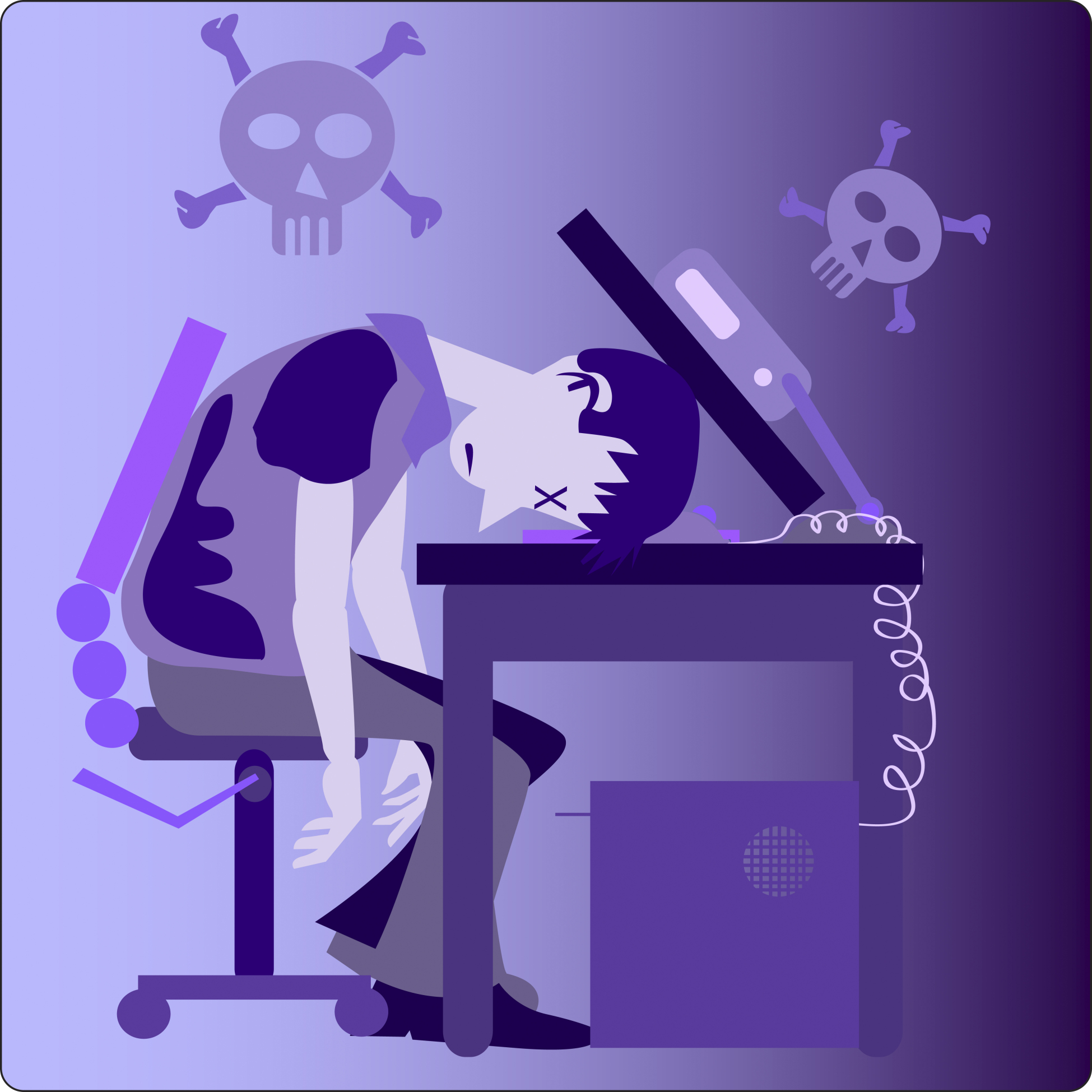
Trying to change that image is what has driven many teachers to online sites but these often teach in an automated, undifferentiated way — logon, do exercises, repeat — that bores some and doesn’t work for others.
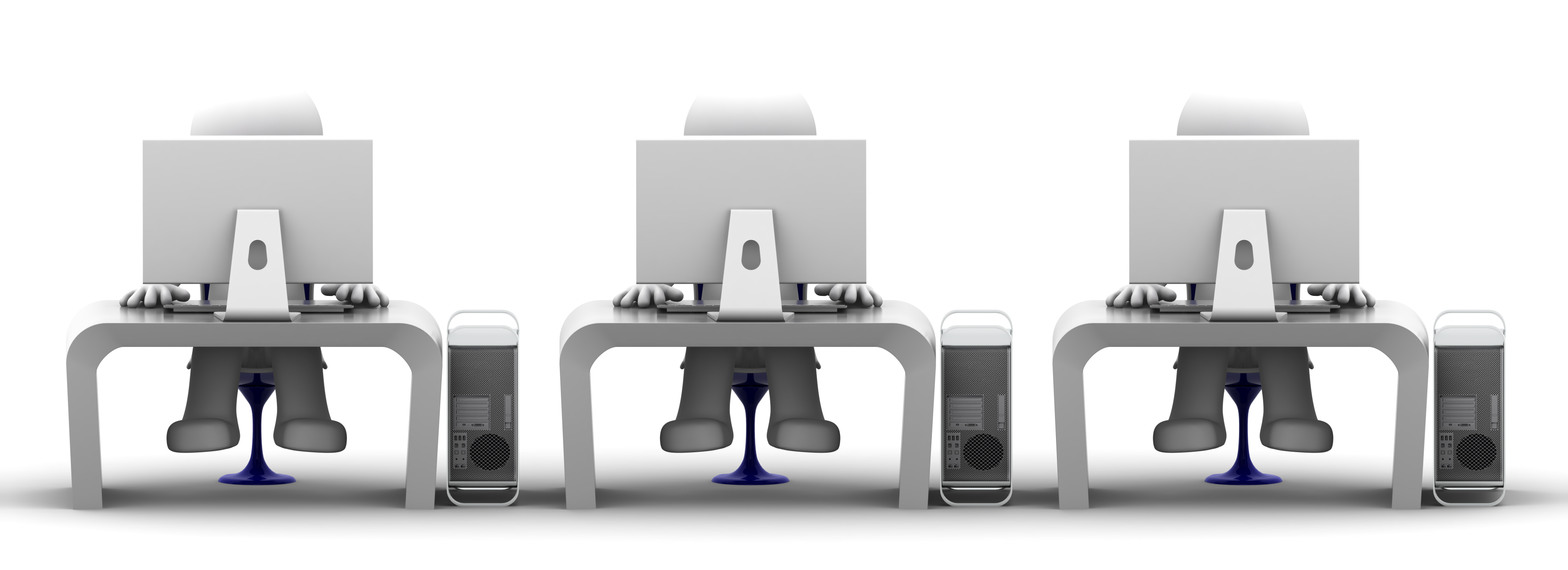
The feedback I often get on these sorts of sites is that students do improve speed and accuracy but only on the site. When they apply the knowledge to authentic situations (like typing a book report or an essay), students return to hunt-and-peck, watching their hands, and hating what they’re doing.
There’s a better way to learn keyboarding: Blended Learning. When I teach keyboarding, I use a variety of approaches, none too long and never too much, so each remains fresh and challenging rather than boring and repetitive. Here are some of the methods I mix up in my classes:

Tons of Online Resources About Classroom Management

Classroom management tools are useful for teachers to create an organized, productive, and conducive learning environment. Some reasons why you may find these tools beneficial are:
- Organization: organize lesson plans, assignments, and resources efficiently
- Communication: between teachers, students, and parents to foster a collaborative relationship, keep everyone informed
- Student Engagement: to make learning more interesting and interactive
- Time Management: schedule reminders, notifications, and more
- Assessment and Grading: create and grade assignments, quizzes, and exams, and provide quick feedback to students.
- Behavior Management: set expectations, monitor conduct, and implement positive reinforcement strategies
- Data Analysis: provide analytics, track student performance, identify areas that need additional attention
- Remote Learning Support: coordinate virtual classrooms
- Parental Involvement: allow parents to monitor child’s progress, access grades, and communicate with teachers
Here’s a wide collection of mostly online resources you can check out. Find what works for your classroom environment (click for updates to list): (more…)

Tech Tip for Writers #34: My Program Froze

Tech Tips for Writers is a (occasionally) weekly post on overcoming Tech Dread. I’ll cover issues that friends, both real-time and virtual, have shared. Feel free to post a comment about a question you have. I’ll cover it in a future Tip.
Q: I’m writing a very (very) important paper and all of a sudden, the screen froze. I can’t save it, or anything else. What do I do?
A: Programs do freeze for no reason sometimes, but not often (I’m assuming you take care of your computer–defrag, don’t download with abandon, update it occasionally). Before you declare a dog-ate-my-homework sort of catastrophe, try this:
- Check your desktop for an open dialogue box and close it. You might have to answer its question first.
- Push escape four times. You might have inadvertently got yourself into something you don’t even know you’re in. Escape often lives up to its name.
- Click your program on the taskbar. You might have gotten out of it by accident.

#75: Tessellations in Excel
 One of the most popular applications of math is through spreadsheets (like Excel) that make those numbers relevant to everyday life. We’re going to provide a series of lessons on spreadsheet basics you can use in your K-8 classroom. Here are some of the topics we’ll cover (not all links live yet):
- #74: Mastering Excel (for Beginners)
- #71: Beginning Graphs in MS Excel
- #70: Create a Timecard in Excel for Grade Two and Up
- #73: How to Graph in Excel
- #12: Create Simple Shapes in Excel
- #75: Tessellations in Excel
- #72: How to Check Your Math in Excel
- How to Use Excel to Teach Math Arrays
- #62: Email from Word (Or PowerPoint or Excel)
- #79: Excel Turns Data Into Information
Today
#75: Tessellations in Excel

–from 55 Technology Projects for the Digital Classroom. (more…)

5 Top Benefits of Adolescent Outpatient Programs for Mental Health

5 Top Benefits of Adolescent Outpatient Programs for Mental Health
Adolescents facing mental health challenges often need consistent support without leaving their normal routines. Outpatient programs make this possible by combining professional care with the flexibility to stay connected to school, family, and friends. These programs help teens receive structured therapy and emotional support while maintaining daily stability at home.
Families often look for treatment options that fit real-life schedules and responsibilities. Outpatient programs meet this need by providing multiple forms of counseling and structured hours of care in a safe environment. This balanced approach encourages healing and growth while keeping the focus on progress and connection. (more…)

Teacher-Authors: What’s Happening on my Writer’s Blog

A lot of teacher-authors read both my Ask a Tech Teacher education blog and my writer’s blog, WordDreams. In this monthly column, I share a popular post from the past month:

January 1st is Public Domain Day! This is an observance of when copyrights expire and works enter into the public domain–free for all to use. According to Public Domain Review, here are some of the newly available artistic works you might like a/o January 1, 2026:

The picture above is interactive on the website. If you click it, you enter Public Domain Review’s website and can then explore each of these new sources of inspiration, free to use.
A few recently released that caught my attention:



Here’s the sign-up link if the image above doesn’t work:
https://forms.aweber.com/form/07/1910174607.htm
“The content presented in this blog are the result of creative imagination and not intended for use, reproduction, or incorporation into any artificial intelligence training or machine learning systems without prior written consent from the author.”
Jacqui Murray has been teaching K-18 technology for 30 years. She is the editor/author of over a hundred tech ed resources including a K-12 technology curriculum, K-8 keyboard curriculum, K-8 Digital Citizenship curriculum. She is an adjunct professor in tech ed, Master Teacher, freelance journalist on tech ed topics, and author of the tech thrillers, To Hunt a Sub and Twenty-four Days. You can find her resources at Structured Learning.

How Families Are Turning iPad Time into Real, Hands-On Math Learning

January is Braille Literacy Month

January marks Braille Literacy Month (January 4th is Braille Day) and a remarkable milestone: 200 years since Louis Braille developed his revolutionary code that continues to impact lives today. In 1824, at just 15 years old, Louis Braille created a tactile code that would open new worlds of literacy and learning.
Braille uses 63 combinations of raised dots to represent letters, numbers, punctuation, and contractions. Each cell has two columns of three dots. The left column is numbered 1, 2, 3 from top to bottom, and the right column is numbered 4, 5, 6. Each dot has a unique number.

Braille literacy websites (click for updated list of special needs websites for the vision challenged):
- HumanWare–various writing/reading tools for the blind
- JAWS
- National Library Service for the Blind–free, from the Library of Congress
- Natural reader–paste text into the dialogue box and the site reads it to you
- Panopreter–text-to-speech
- Snap n Read–select text and click speaker icon on the toolbar.
Here’s the sign-up link if the image above doesn’t work:
https://forms.aweber.com/form/07/1910174607.htm
Copyright ©2026 worddreams.wordpress.com – All rights reserved.
“The content presented in this blog is the result of my creative imagination and not intended for use, reproduction, or incorporation into any artificial intelligence training or machine learning systems without prior written consent from the author.”
Jacqui Murray has been teaching K-18 technology for 30 years. She is the editor/author of over a hundred tech ed resources including a K-12 technology curriculum, K-8 keyboard curriculum, K-8 Digital Citizenship curriculum. She is an adjunct professor in tech ed, Master Teacher, freelance journalist on tech ed topics, and author of the tech thrillers, To Hunt a Sub and Twenty-four Days. You can find her resources at Structured Learning.

How to Create a Balanced Learning Schedule for Kids
As children return to educational pursuits from the holidays, it’s a perfect time to reinforce routines that make learning fun and easy. The Ask a Tech Teacher crew has ideas on how to make this manageable and enjoyable for students and those who teach them:

How to Create a Balanced Learning Schedule for Kids
Creating a balanced learning schedule for kids is one of the most meaningful ways to support their growth, confidence, and curiosity. A well-planned routine helps children feel secure while allowing them enough flexibility to explore interests, rest their minds, and enjoy family time. Balance does not mean filling every hour with lessons. It means shaping a day that respects a child’s energy, attention span, and need for variety. When learning feels organized yet flexible, children are more likely to stay engaged and develop positive learning habits that last.

Photo by Vitaly Gariev on Unsplash
A thoughtful schedule also reduces stress for parents and caregivers. Instead of reacting to each day as it comes, you can guide learning with purpose. The goal is not perfection but consistency, clarity, and room for adjustment as your child grows and changes. (more…)

Public Doman Day 2026

Also on January 1st: It’s Public Domain Day! This is an observance of when copyrights expire and works enter into the public domain–free for all to use. According to Public Domain Review, here are some of the newly available artistic works you might like a/o January 1, 2026:
The picture above is interactive on the website. If you click it, you enter Public Domain Review’s website and can then explore each of these new sources of inspiration, free to use.
A few recently released that caught my attention: (more…)